Top Vegetables You Should Be Buying Frozen
Top Vegetables You Should Be Buying Frozen
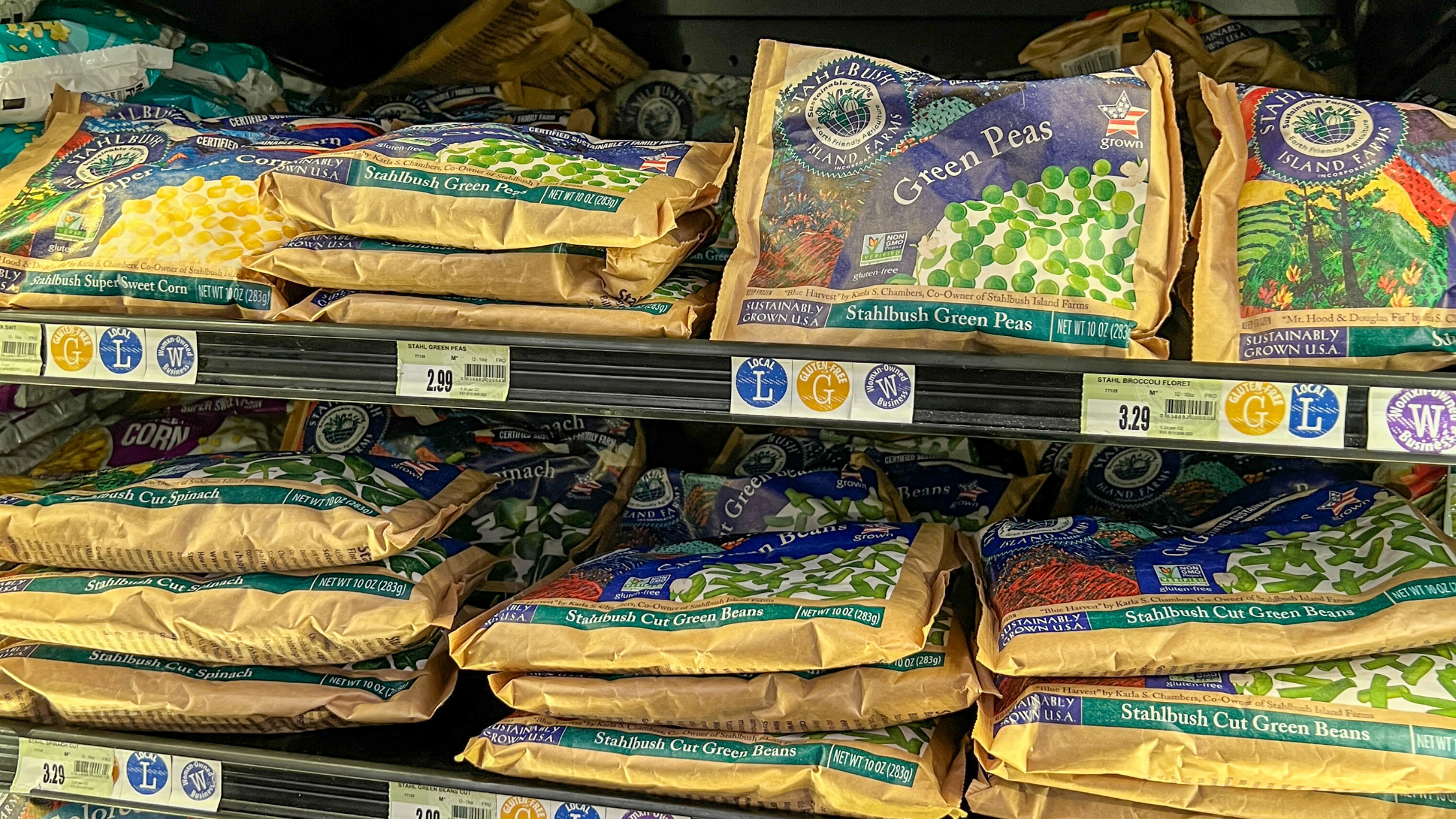
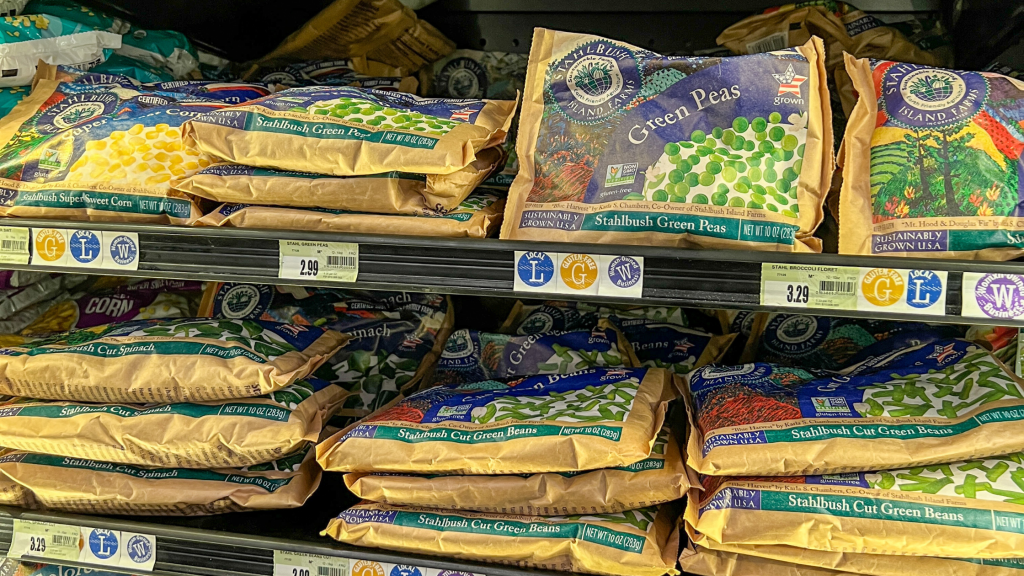
Frozen vegetables have come a long way from being the backup option you grab when the fresh produce runs out. Today, they’re one of the smartest staples you can keep in your kitchen!
Here’s why: frozen vegetables are convenient, last longer than fresh produce, help reduce food waste, and can be just as nutritious as their fresh counterparts. In fact, research comparing fresh and frozen produce has found that some frozen vegetables contain similar or even higher levels of certain vitamins than fresh vegetables stored in the fridge. See the research on fresh versus frozen produce.
Whether you’re trying to eat more vegetables, make weeknight dinners easier, or get more out of your grocery budget, stocking your freezer is a simple way to make it happen. And with so many ways to use frozen veggies, there’s no reason to save them just for a rainy day!
Why Frozen Vegetables Deserve a Spot in Your Freezer
1. Freshness Frozen In
One of the biggest perks of frozen vegetables? They’re harvested at maturity and typically frozen soon after harvest, helping preserve their quality, flavor, color, and nutrients.
Fresh vegetables can spend days traveling, sitting on store shelves, and waiting in your fridge before they make it to your plate. During that time, some nutrients can decline. Frozen vegetables offer a convenient alternative that helps preserve many nutrients until you’re ready to cook.
A University of Georgia study found that some fresh produce lost vitamins during refrigerated storage, while frozen varieties retained similar or higher levels of certain nutrients.
The takeaway: You don’t have to choose fresh to enjoy nutritious vegetables. Frozen deserves a place on your shopping list, too!
2. Less Spoilage, More Veggies
Ever bought a beautiful bunch of fresh spinach or a bag of broccoli with good intentions, only to find it wilted or forgotten in the fridge? It happens to the best of us.
Frozen vegetables are ready when you are. Use what you need, close the bag, and save the rest for another meal. No rushing to cook everything before it goes bad, and fewer good intentions ending up in the compost bin.
Keeping frozen produce on hand can make it easier to use what you buy and have vegetables ready for the meals you’re already planning. Research has also found that people who consume frozen fruits and vegetables tend to eat more produce overall and get higher intakes of certain nutrients. Explore the research on frozen produce and nutrient intake.
The takeaway: When vegetables are always within reach, adding more to your meals becomes a whole lot easier.
3. Nutrition Without the Guesswork
Frozen vegetables aren’t a nutritional compromise. They provide vitamins, minerals, fiber, and other beneficial plant compounds, just like fresh vegetables do.
And while the exact nutrient levels vary by vegetable, storage time, and cooking method, studies have found that many nutrients in frozen produce are comparable to those in fresh produce. Some nutrients may even be better retained in frozen vegetables than in fresh produce stored for several days.
Take a look at this study comparing vitamin retention in fresh and frozen produce and this research on minerals, fiber, and other plant compounds.
The takeaway: You can feel good about reaching for frozen vegetables. They’re a practical, nutritious choice for everyday meals.
4. Dinner Gets a Whole Lot Easier
Frozen vegetables are a weeknight dinner MVP. Many are already washed, trimmed, chopped, or portioned, so you can skip much of the prep and get straight to cooking.
Need a quick side dish? Toss some broccoli in the oven. Want to add more veggies to pasta? Grab a handful of peas or spinach. Making soup, a stir-fry, or a casserole? Your freezer has you covered.
And because frozen vegetables are available year-round, you don’t have to wait for a particular season to enjoy your favorites.
The takeaway: Less prep, fewer last-minute grocery runs, and more ways to get vegetables onto your plate.
4 Frozen Vegetables Worth Keeping Stocked
Ready to give your freezer a little love? These four staples are versatile, easy to use, and perfect for keeping nutritious meals within reach.
1. Peas
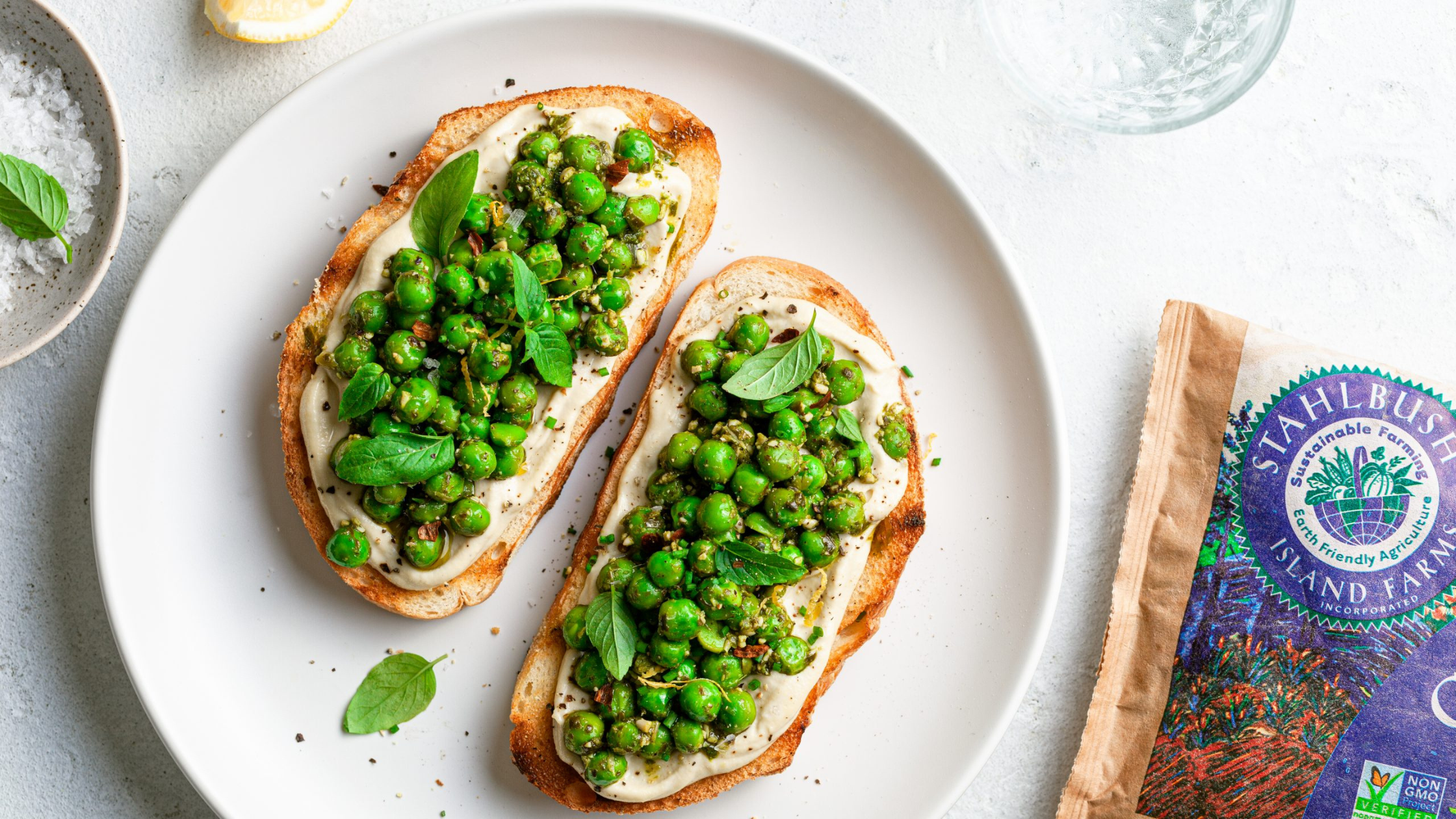
Why buy them frozen?
Frozen peas are sweet, tender, and ready in minutes. Instead of shelling fresh peas or worrying about using them before they lose their quality, you can keep a bag in the freezer and scoop out exactly what you need.
Freezing helps preserve the quality of peas soon after harvest, making them a convenient choice for quick meals. Research comparing fresh and frozen produce has found that vitamin retention varies by vegetable and nutrient, but frozen produce can retain comparable levels of many vitamins. Explore the vitamin-retention research.
Easy ways to use them:
- Toss into pasta, risotto, or mac and cheese
- Stir into soups, stews, and fried rice
- Serve as a quick side with a little olive oil and seasoning
- Make a pea and walnut pesto
2. Green Beans
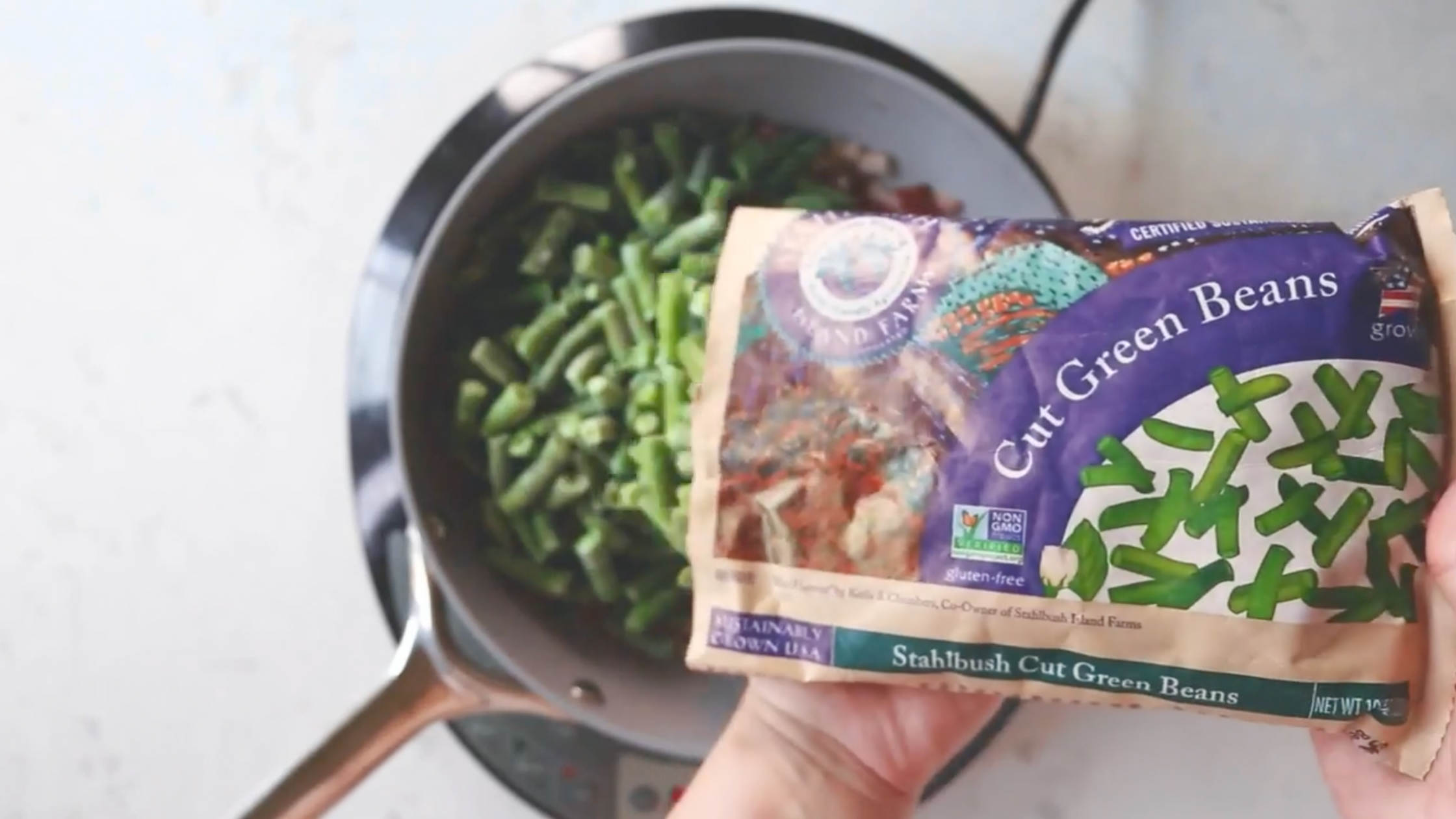
Why buy them frozen?
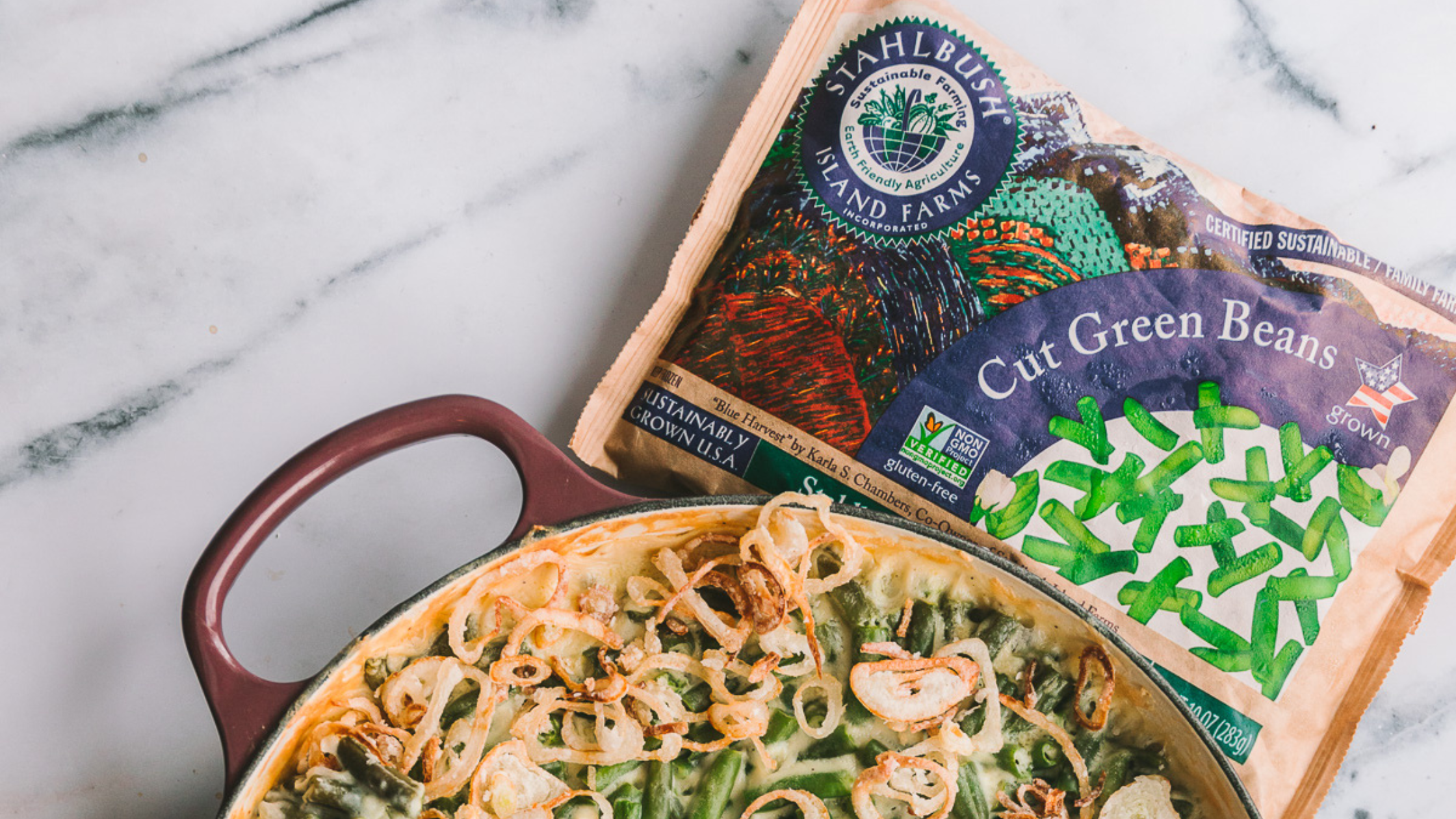
Frozen green beans make a delicious veggie side easy, without the washing, trimming, or pressure to use up fresh produce before it spoils. They’re ready to season, sauté, roast, or add to your favorite casserole.
Research on vegetable freezing has explored how processing affects nutrients and beneficial plant compounds, with results varying by vegetable and preparation method. Read more about freezing and vegetable quality.
Easy ways to use them:
- Sauté with garlic and olive oil
- Add to green bean casserole
- Roast straight from frozen according to package directions
- Toss into sheet-pan meals
3. Spinach
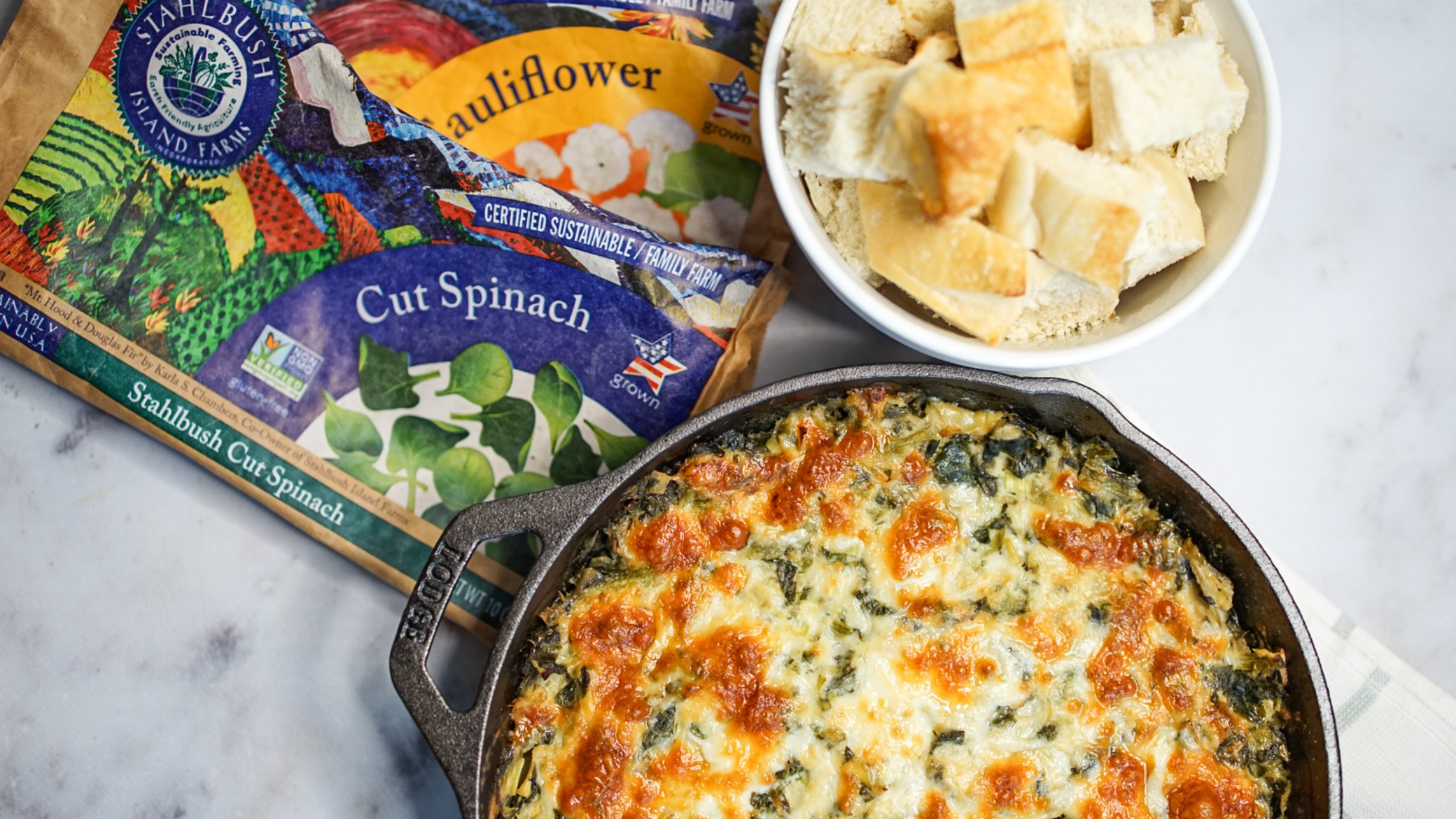
Why buy it frozen?
Spinach is a freezer staple for good reason. Fresh spinach can wilt quickly, but frozen spinach is ready whenever a recipe calls for a handful of greens. It’s especially handy for recipes where spinach gets cooked down, so you can add plenty without spending time washing and chopping leaves.
Nutrient levels can change during storage, but research comparing fresh and frozen produce shows that frozen vegetables can retain comparable levels of many vitamins. Read the vitamin-retention study.
Easy ways to use it:
- Stir into soups and sauces
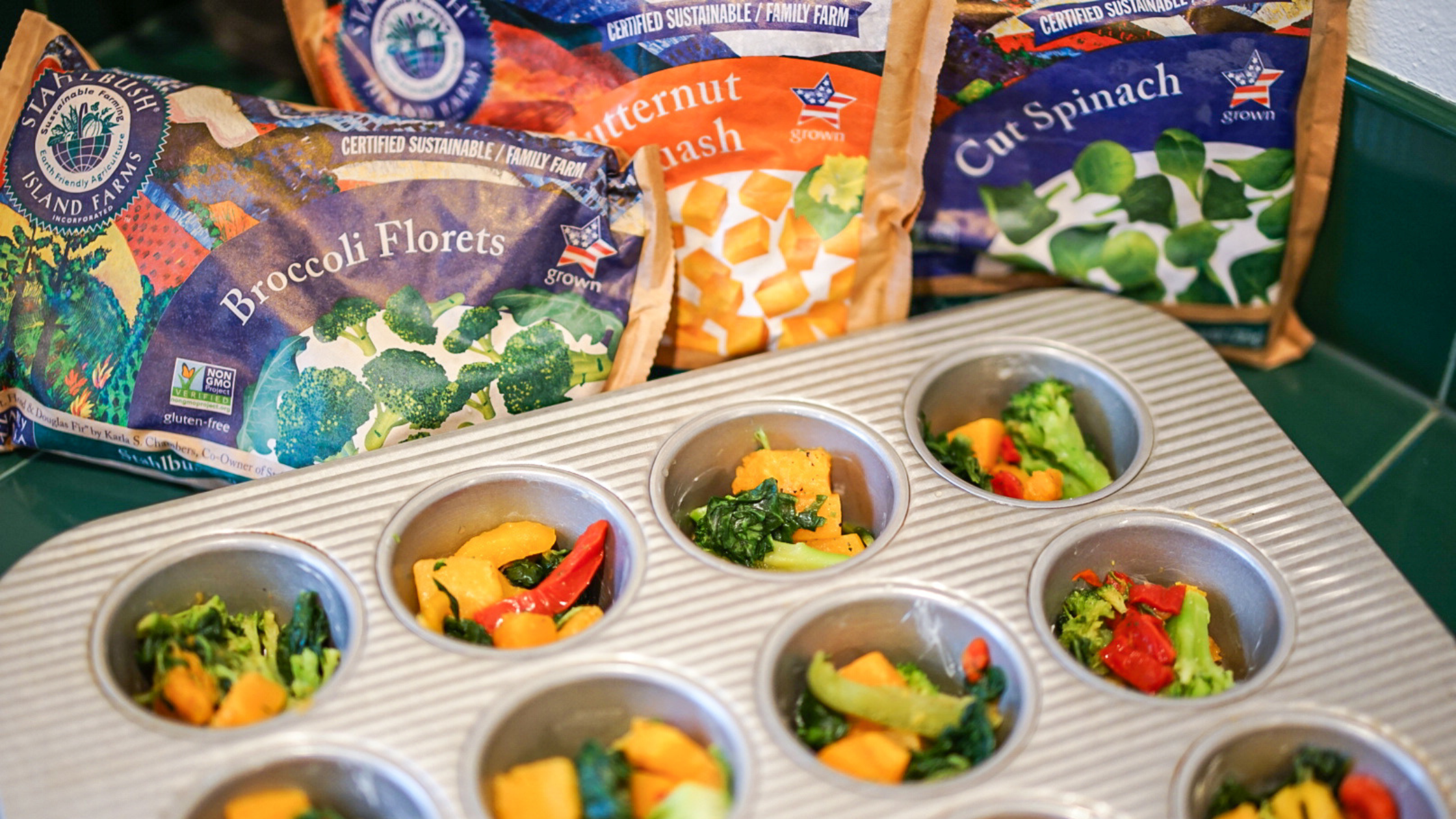
- Add to egg bites, omelets, and frittatas
- Mix into pasta or casseroles
- Make a dip such as spinach artichoke dip
4. Broccoli
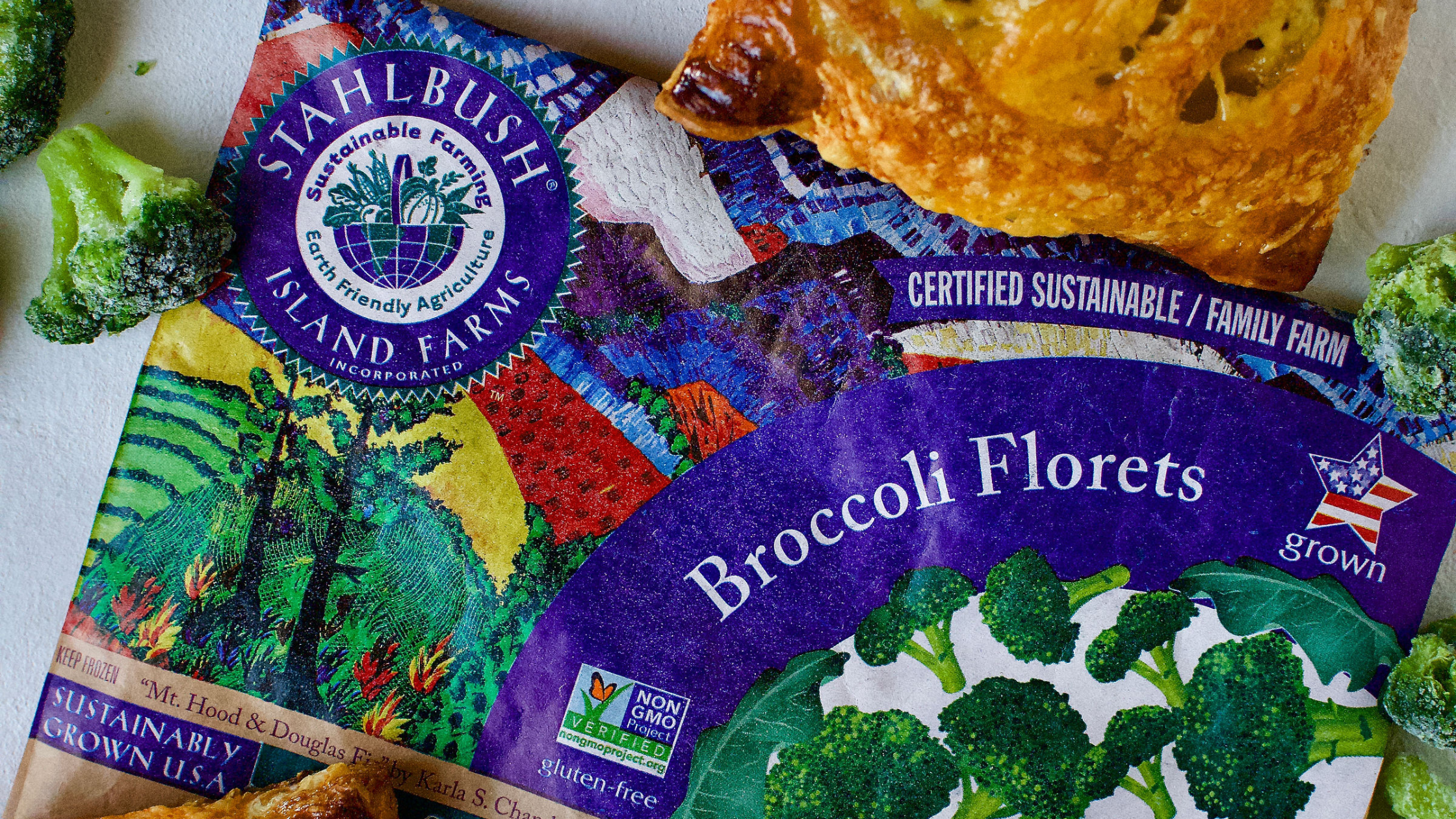
Why buy it frozen?
Broccoli is a versatile favorite, but fresh florets take time to wash and chop. Frozen broccoli makes it easy to skip the prep and get straight to the good part: eating!
It’s a natural fit for busy weeknights, quick lunches, and easy veggie-packed meals. As with other vegetables, nutrient levels depend on storage and preparation, but research has found that frozen produce can retain many nutrients at levels comparable to fresh. Explore the research on vitamin retention.
Easy ways to use it:
- Roast straight from frozen according to package directions
- Toss into stir-fries
- Add to pasta such as this mac and cheese and grain bowls
- Bake into savory hand pies or casseroles
The Bottom Line: Make Room in Your Freezer!
Frozen vegetables aren’t a second-best choice. They’re a smart grocery staple that helps make nutritious eating more convenient.
When you keep your freezer stocked, you get:
- Nutritious options at your fingertips: Frozen vegetables can offer many of the same nutrients as fresh.
- Less food waste: Use what you need and save the rest for later.
- More convenience: Skip much of the washing, trimming, and chopping.
- Year-round versatility: Enjoy your favorite vegetables whenever the craving strikes.
- More ways to cook: From quick sides to comforting casseroles, frozen veggies fit into all kinds of meals.
So next time you’re making your grocery list, don’t overlook the freezer aisle! Add a bag of peas, green beans, spinach, or broccoli to your cart and give yourself one more easy way to get delicious vegetables on the table.
Ready to stock your freezer? Shop Stahlbush Island Farms frozen vegetables and make your next meal a little easier.
Curious about the science behind frozen produce? Explore these studies:
Research on frozen fruit and vegetable consumption and nutrient intake
Vitamin retention in eight fruits and vegetables: a comparison of refrigerated and frozen storage
Mineral, fiber, and total phenolic retention in eight fruits and vegetables
Research on industrial freezing and vegetable bioactive compounds
Featured Products

Explore More