About Us
Our History
Located in the heart of Oregon’s lush Willamette Valley, Stahlbush Island Farms is a family-owned farm and food processor committed to sustainable agriculture that specializes in artisan purees and individually quick frozen foods for industrial and retail markets.
Bill and Karla Chambers started Stahlbush Island Farms in 1985 with two crops, a piece of land, and a passion for good food. In the 1980s, we grew the business by supplying two markets with the strictest safety standards: Japan and the baby food industry. Today, we have a robust food safety program as a result. Our products consistently exceed the industry’s toughest food safety standards.
In addition to compliance with state and federal regulations, Stahlbush Island Farms invites independent, third-party inspection of our food safety, sanitation, and documentation procedures. Stahlbush is proud to consistently score in the Excellent range for food safety audits completed by NSF international.
THROUGH THE YEARS

Art And Sustainable Farming
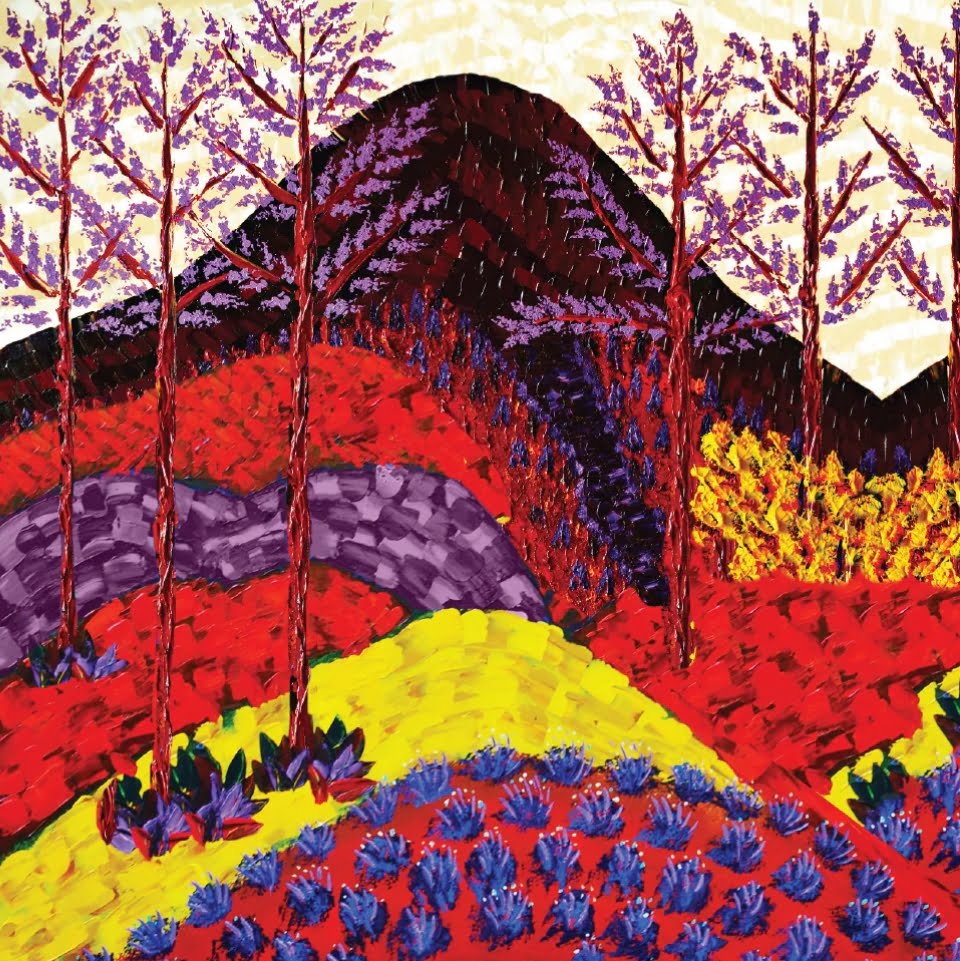
“Years ago, Bill and I went on a trip to Montana. We were staying at Triple Creek Lodge during a fall fly fishing and artist workshop event. It was a cold, fall day. Bill and our friend, Eric, went fly fishing while my dear friend, Carrie, and I spent the day with three professional artists. I enjoyed spending time with these artists so much that I never went fishing. When I returned home, I bought art supplies and just kept painting!
I have never had a formal art class, which is why my art is considered “naïve.” Acrylic paint is my favorite medium because of the rich colors and thick textures that it can bring to a canvas. I use my husband’s house tools to achieve the three dimensional quality that is characteristic of my work. Farm animals, landscapes and desert flowers are prominent in my paintings because they are reminiscent of the past, present and future. I mimic the colors from the farm in an effort to highlight the raw, powerful beauty of farming healthy, nutritious foods.
My paintings are now in fine art galleries across the country, including Arnot Gallery in New York City and Gallery 444 in San Francisco. I have been featured in Art World News, the largest art publication in the world, five times. My fine art has been featured in several museum exhibits and juried competitions. The Jordan Schnitzer Museum of Art in Eugene, Oregon has displayed my work several times in different shows.”
– Karla S. Chambers, Artist & Co-Owner of Stahlbush Island Farms
Our Pursuit Of Sustainable Practice
SOIL HEALTH
With each growing season, we use conservation tillage to reduce erosion. We also plant cover crops to return nitrogen to the soil and build organic matter. We even apply digestate from our biogas plant to our fields as it acts as an organic fertilizer and naturally increases microbial activity and builds overall soil health.

WATER CONSERVATION
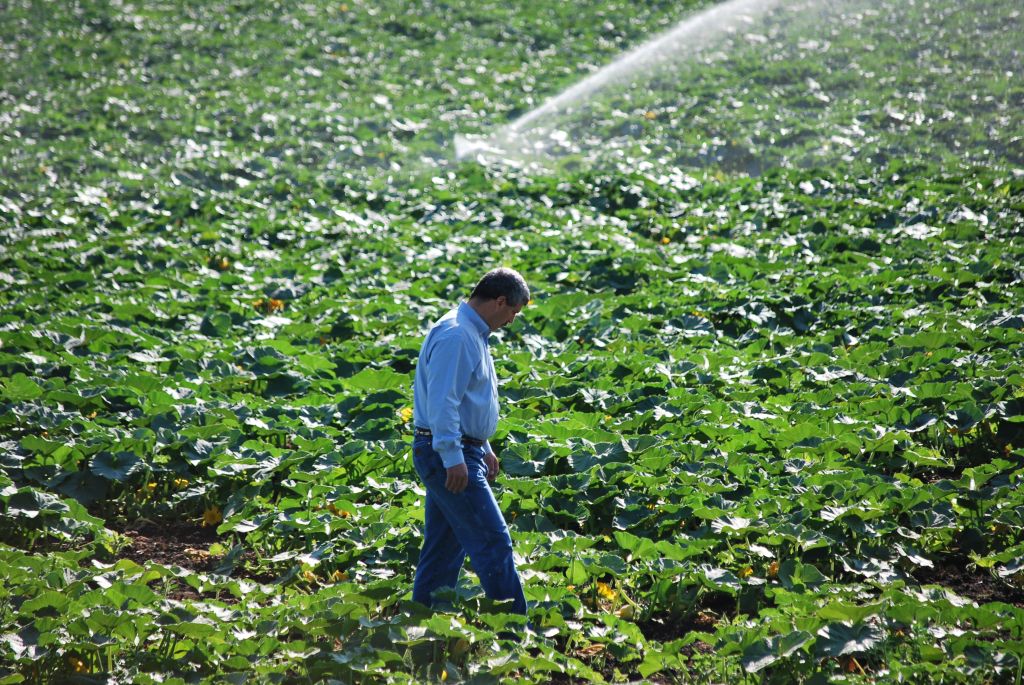
We continue to improve our irrigation, using weather, soil moisture and evapotranspiration data to track water use and needs. We have implemented automation systems that allow us to access real-time data that automatically controls and schedules our irrigation based on the needs of each plant.
WILDLIFE HABITAT AND BIODIVERSITY
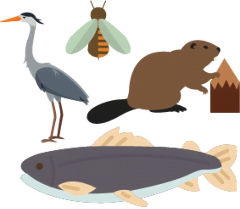
We plant native species that attract pollinators like bumblebees and plant cover crops in the winter that keep the blue herons on the farm year-round. We have a thriving blue heron rookery or habitat on the farm.

SOCIAL RESPONSIBILITY AND EMPLOYEE WELL-BEING
We have programs and benefits in place for our employees to ensure job satisfaction and fulfillment. We also have programs in place to improve our local community, for instance we donate one million servings to local food banks every year.
INNOVATION
We were the first farm ever to be certified sustainable by the Food Alliance. We have always been early adopters of new technology. Stahlbush was the first farm in Oregon to use GPS technology and the first to build a biogas plant that generates electricity using agricultural by-product in North America.
Our Biogas Plant
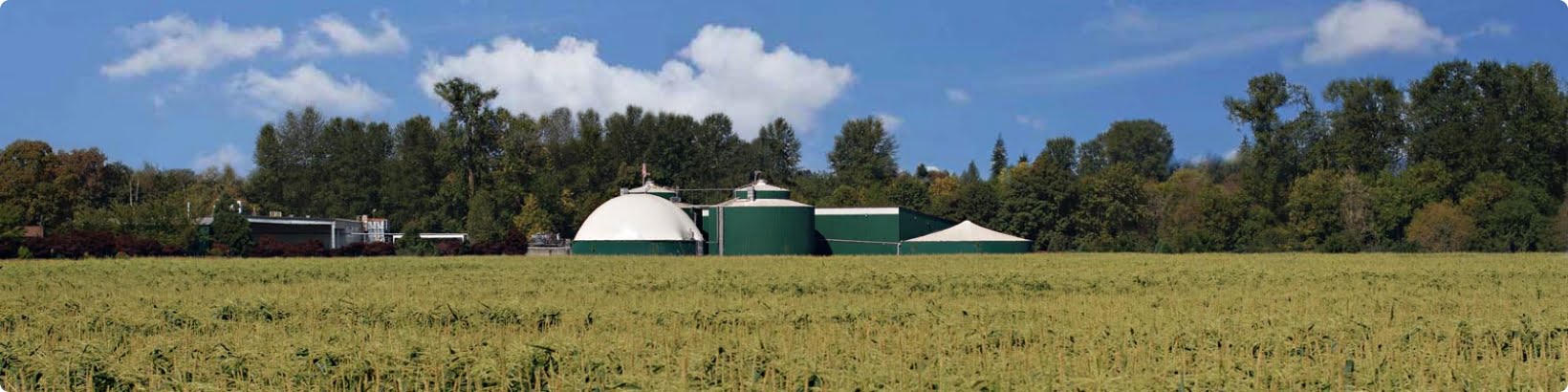
In 2009, we built the first biogas plant of its kind in North America to generate electricity from our fruit and vegetable by-products—things like corn husks and cobs—that other farms throw away. The biogas plant not only generates electricity, which we use to power the processing plant, but also creates steam that we use in our boilers, hot water for sanitation, and hot air to dry our pumpkin seeds. The leftover material from this process leaves us with water for irrigation and a rich fertilizer that we spread back into the fields to nurture next year’s crops. Our plant was recognized by Food Engineering Magazine as the 2012 Sustainable Plant of the Year. Today, the Biogas plant produces two times our processing plant’s annual energy consumption, and we are able to sell green energy back to the grid.